class: center, middle, inverse, title-slide .title[ # BANL 6100: Business Analytics ] .subtitle[ ## Data & Desriptive Statistics ] .author[ ### Mehmet Balcilar </br> <a href="mailto:mbalcilar@newhaven.edu" class="email">mbalcilar@newhaven.edu</a> ] .institute[ ### Univeristy of New Haven ] .date[ ### 2023-08-28 (updated: 2024-01-24) ] --- class: center, middle background-image: url(images/ba1.jpg) background-position: 20% 10% # .red[ .fat[ Data & Desriptive Statistics ] ] --- class: center, middle, sydney-blue # Overview of Using Data: Definitions and Goals --- ## Definitions **Data:** The facts and figures collected, analyzed, and summarized for presentation and interpretation. **Variable:** A characteristic or a quantity of interest that can take on different values. **Observation:** A set of values corresponding to a set of variables. **Variation:** The difference in a variable measured over observations. **Random variable/Uncertain variable:** A quantity whose values are .red[not known] with certainty. **Non-random/Deterministic/Certain variable:** A quantity whose values are .red[known] with certainty. --- ## Types of Data — I ### Population and Sample Data - **Population:** All elements of interest - Examples: US resident, UNH students, fast food restaurants - **Sample:** Subset of the population - **Random sampling:** A sampling method to gather a representative sample of the population data. - Examples: 100 fast restaurants selected for investigating hygenie standards --- ## Types of Data — II ### Quantitative and Categorical Data - **Quantitative data:** Data on which numeric and arithmetic operations, such as addition, subtraction, multiplication, and division, can be performed. a. *Discrete* (i.e. whole numbers) Examples: student ages (18, 20, 19,…); graduation year (2018, 2021,..) b. *Continuous* (i.e. decimal point numbers) Examples: student's GPA (3.4, 2.7, 3.9,…) - **Categorical data:** Data on which arithmetic operations cannot be performed. a. *Nominal:* For measuring categorical data. There is no order or superiority between values Examples Male/Female, Green/Red/Blue, Yes/No b. *Ordinal:* For measuring categorical data that can be somehow ordered Examples: Student grades (A+, A, A-, B+, B, B-,…); Customer satisfaction (Poor, Good, Excellent) --- ## Types of Data — III ### Cross-Sectional and Time Series Data - **Cross-sectional data:** Data collected from several entities at the same, or approximately the same, point in time. Examples: Average earning per share of 10-K companies in the last 5 years - **Time series data:** Data collected over several time periods. - Graphs of time series data are frequently found in business and economic publications. - Graphs help analysts understand what happened in the past, identify trends over time, and project future levels for the time series. Examples: Apple Iphone 14 sales in the last 120 days - **Panel/Longitudinal data**: Data involving repeated observations of the same things at different points in time (cross-sectional + time series). Examples: Annual earning per share of IBM, Apple, and Microsoft from 2000 to 2022 --- ## Cross-sectional data 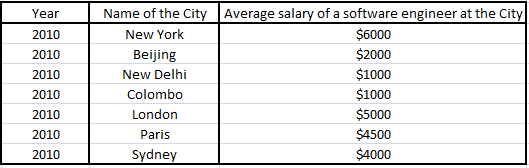 --- ## Time series data 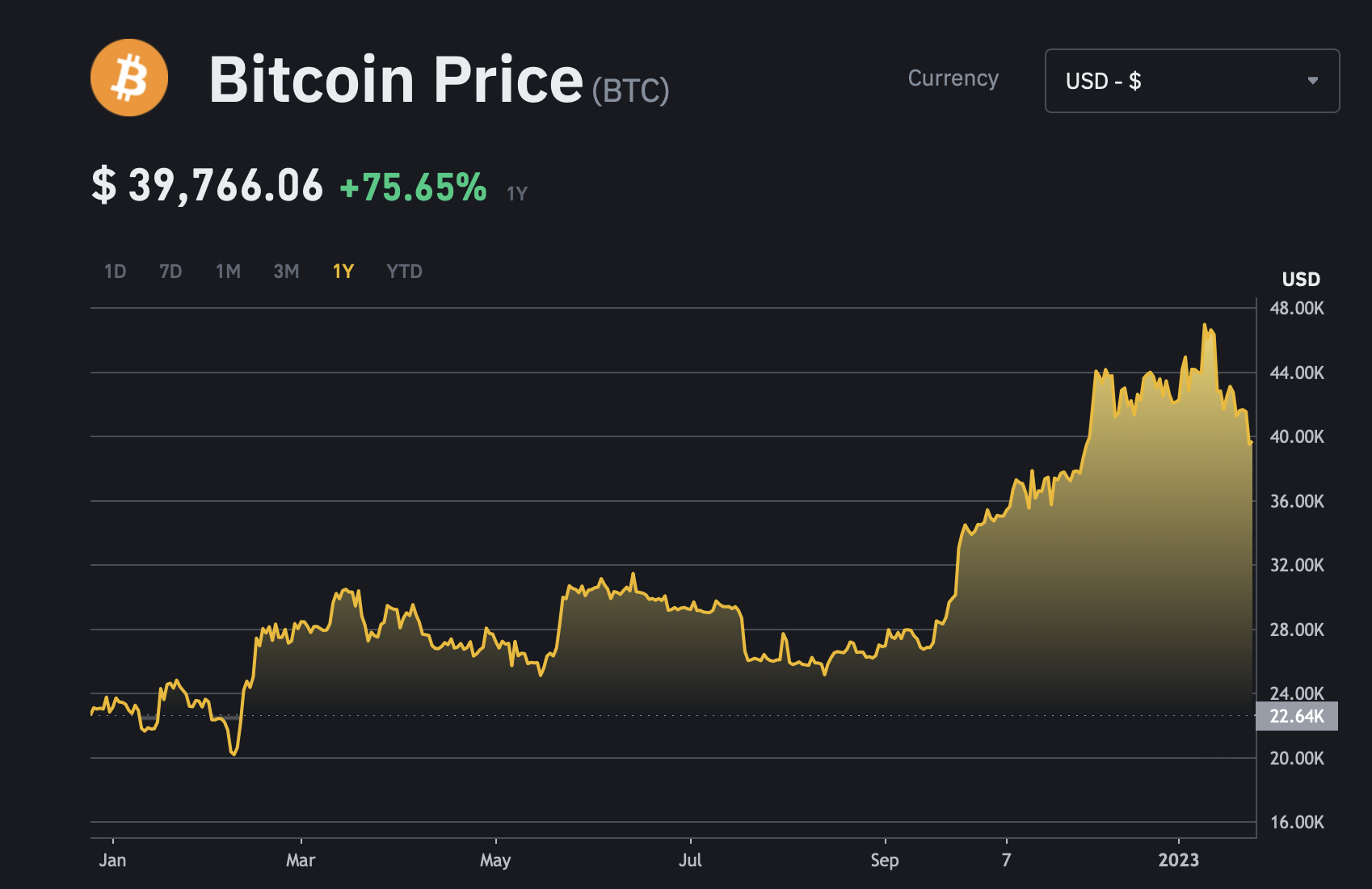 --- ## Panel data 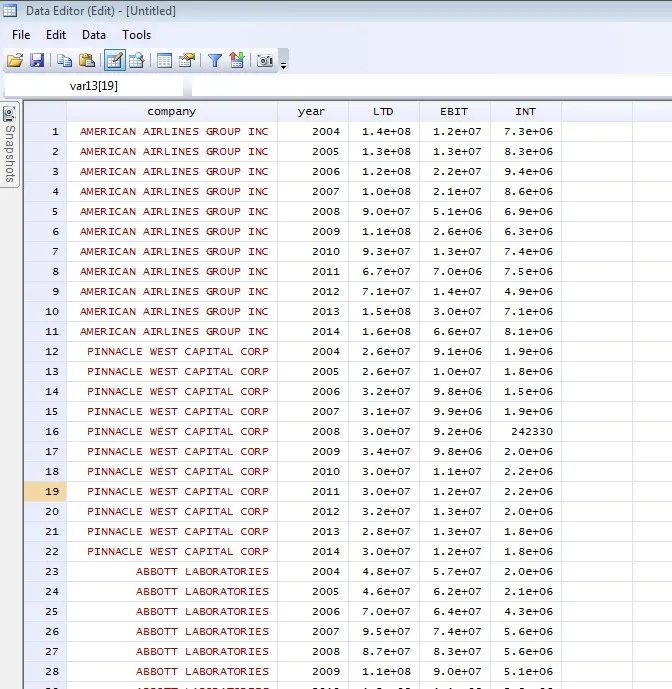 --- ## Panel data 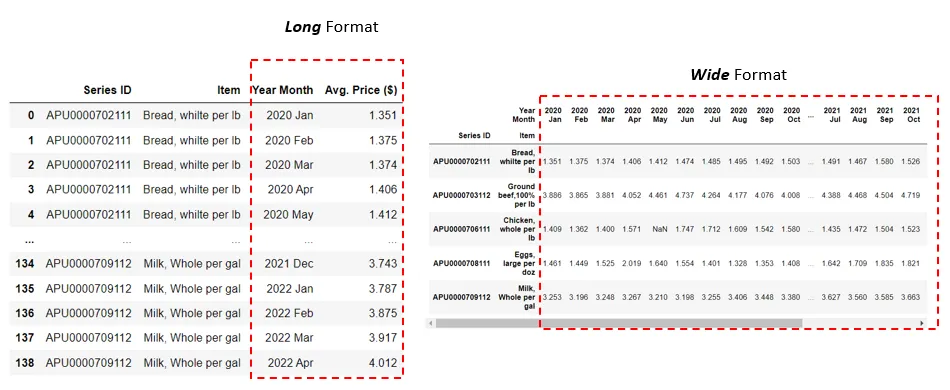 --- class: segue-yellow, center, middle #End of lecture ... #Next topic: Introduction R #[Mehmet Balcilar](https://www.mbalcilar.net) #[mbalcilar@newhaven.edu](mailto:mbalcilar@newhaven.edu)